Chatinos : Children of the Fish
CHATINO WAS THE LANGUAGE SPOKEN IN PUERTO ESCONDIDO and much of the mountains inland for at least 2,000 years. The Chatinos call themselves “children of the fish”. According to legend, their ancestors were punished by the sun god and forced to live in the depths of the sea until that god took pity on them and allowed them to return to their human condition. And so it was that the Chatino dialects of Tataltepec de Valdez, Santiago Yaitepec, Santa María Temaxcaltepec, Santa Cruz Zenzontepec, San Miguel Panixtlahuaca, San Juan Quiahije, San Juan Lachao and Santos Reyes Nopala came into being.
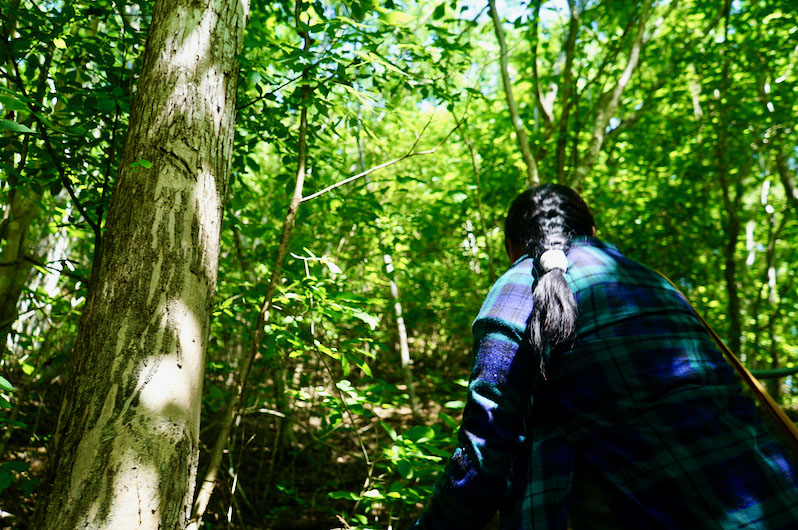
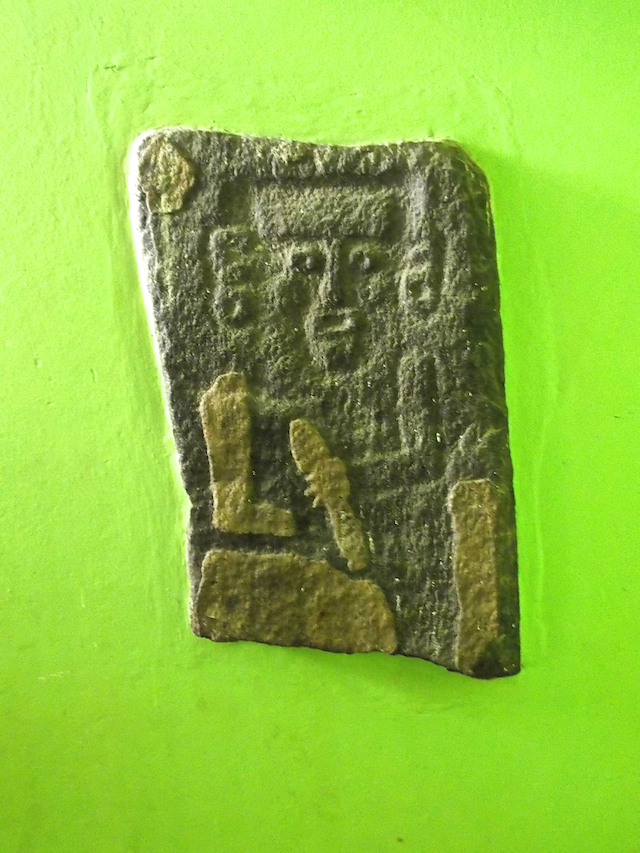
Chatino is a “laborious” language, according to the academic Javier Gerardo Pérez Sánchez who has written two books on the subject. It belongs to the Mixe-Zoque language group and is highly tonal and complex. Today it is at risk, mostly spoken by older people. The Chatino oral tradition is a treasure of incalculable value. Legends like “The Serpent of Fortune” (Kwno Jïkee de Santa María Temaxcaltepec) have been passed down over the generations. There are also more syncretic stories like “Jesus, the Devil and Herod”. These stories are not mere entertainment, they also reflect community values and include agricultural and nature cycles.
Fortunately, there is a movement led by teachers, young people and community groups to restore the language. One project is called “Cuentos Vivos”, audiovisual productions that recapture the legends of each of the regions where different dialects are spoken. These videos include drawings done by elementary school children who also recite the stories of their grandparents in Chatino and Spanish. Meanwhile, a teachers’ collective, Chatinos Strengthening Their Language (Chatinos Fortaleciendo su Lengua) , has developed digital tools like the app CHA’ KWJYA that function on Android phones, for people still without access to the internet. https://aprendechatino.org.
In Nopala the collective Ne’ Kwla is producing an animated story in which children make the pictures. There are also literacy projects for the schools which teach the 17 letters used in Chatino writing.
Preserving the Chatino language isn’t just a matter of linguistics, but also about keeping alive a different way of seeing the world. This includes the belief that there is no heaven or hell, but that after you die you go through nine steps of reincarnation that end with the return to the sea.